


There’s something about October that makes you want to get away. Just as you’re pulling a jacket out of the closet, you could be planning a few days by the sea, a city break exploring markets, or that longer trip you couldn’t fit into August.
The question is where to travel in October to make the most of your time, your budget and the kind of trip you’re in the mood for. Chasing the sun, exploring a city and seeing forests in their fall colors are three very different vacations.
We’ve picked five destinations: Marrakech, Istanbul, Madeira, Lanzarote and Japan. For each one, you’ll find a suggested trip length, planning tips and a detail worth checking before you book. Think of these as ideas for enjoying your time there, rather than a schedule you have to follow.
Where to travel in October, depending on your kind of trip
| Destination | A good fit if you’re looking for… | Suggested days at your destination | Before you decide |
|---|---|---|---|
| Marrakech | A city break with a medina and gardens to explore | 3–4 | Leave a long desert trip for another time |
| Istanbul | History, great food and neighborhoods to explore on foot | 4–5 | Allow time for transfers and group your visits by area |
| Madeira | Nature, scenic viewpoints and hiking | 5–7 | Check the weather and official trail updates |
| Lanzarote | Time by the sea, volcanic landscapes and one place to stay | 4–6 | Work out how you’ll get around the island |
| Japan | A longer trip combining cities and nature | 12–15 | Choose your region around your dates if you want fall foliage |
Count the days you can actually enjoy, not just hotel nights. Arriving late and leaving before dawn can turn four nights into barely three full days. For Japan, allow extra time for international flights too.
1. Marrakech: a change of scenery in just a few days
If your ideal getaway involves wandering through courtyards and gardens and lingering over a good meal, put Marrakech on your list. For October, we’d suggest three or four full days, with time to take a break between visits.
The medina, souks and gardens are among the highlights in the official Marrakech travel guide. Instead of treating them as a checklist, build each day around one area and one or two main sights.
- For a relaxed trip: leave time to enjoy your hotel or riad, visit a hammam or settle in on a terrace between outings.
- For a getaway on a budget: compare the full cost of your flight, baggage and transfer to where you’re staying.
- Before buying tickets: check official websites and opening days. Not every attraction follows the same schedule.
The mistake we’d avoid: trying to squeeze Marrakech and a long Sahara trip into three days. Morocco’s tourism board recommends fall for visiting the desert, but that doesn’t make it a quick side trip from any city. If the desert is your priority, give it the time it deserves. Check how the climate varies across Morocco.
Before you lose yourself among the market stalls, sort out how you’ll get online. Whether you need directions, help finding your riad or a quick message to say you’ve arrived, it’s worth knowing your options. Our guide to getting online in Morocco explains roaming, local SIM cards and eSIMs so you can choose what works best for your trip.
2. Istanbul: for travelers who love a food stop as much as a good walk
Istanbul is a great choice for a city break with plenty to explore: historic sights, markets, neighborhoods and the Bosphorus running through it all. The official GoTürkiye guide covers areas such as the historic peninsula, Beyoğlu and the Asian side, along with museums and places to eat.
We’d recommend four or five full days. Spend one day exploring the historic area, another in Beyoğlu and a third on the Asian side. That leaves time for anything you missed—and another visit to that place where the food was so good.
For an October trip, plan a mix of outdoor walks and indoor activities. Check the forecast close to departure and save your outdoor plans for the days that look best.
One detail that can change your whole trip: check exactly which airport you’re flying into and how you’ll reach your accommodation before booking. That perfect-looking flight loses its appeal if the timing eats up half a day.
We wouldn’t try to fit Cappadocia into a short Istanbul break. If you want to visit both, add more days and allow for the journey between them.
3. Madeira: swap notifications for ocean views
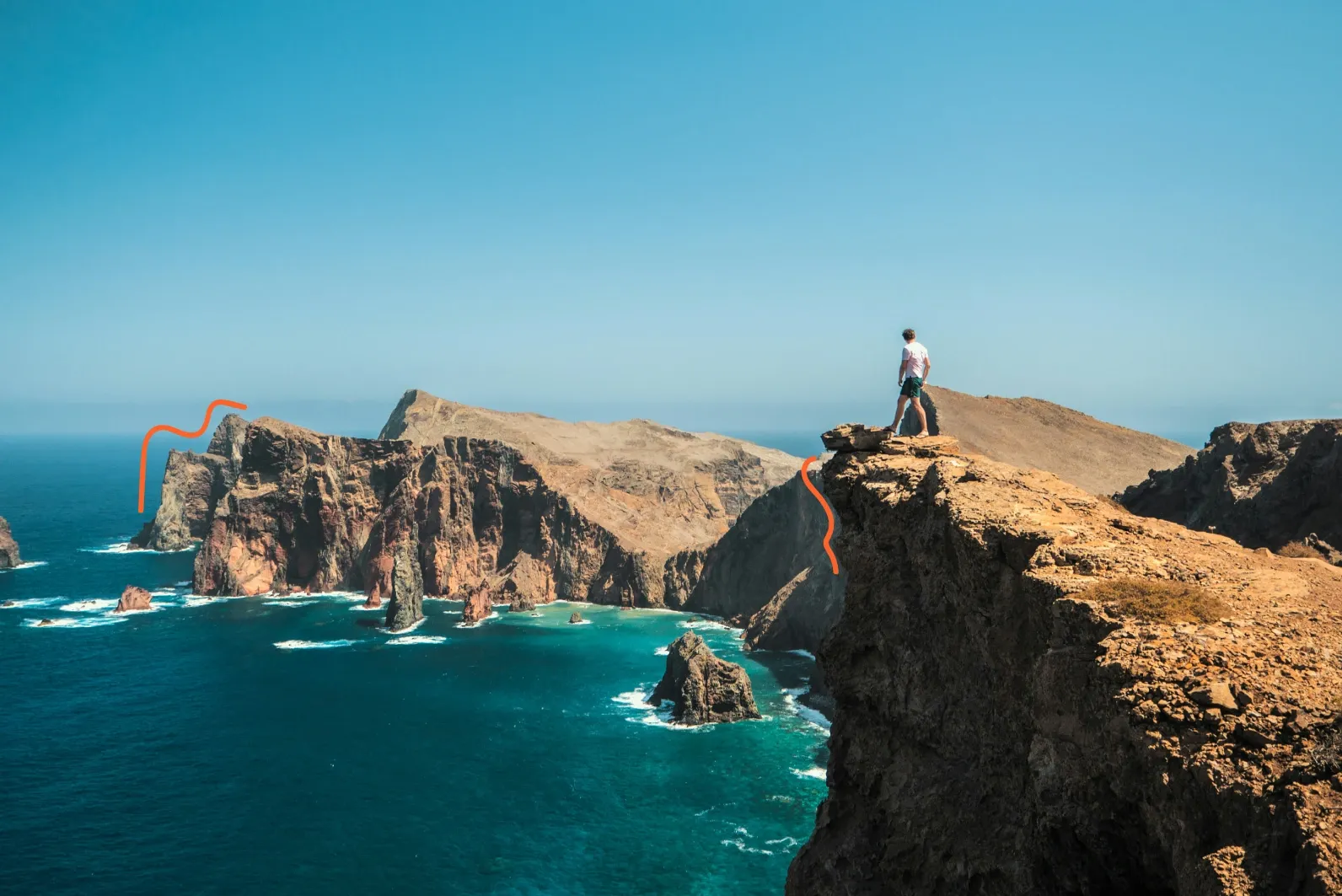
Madeira is our pick if you want time outdoors and a camera roll filled with landscapes rather than landmarks. Its tourism board describes mild fall temperatures, but also highlights the island’s microclimates and the differences between the coast and the mountains. Take a look at its guide to Madeira’s weather.
We’d allow five to seven days, combining Funchal with trips to other parts of the island. Keep at least one day flexible so you can rearrange your plans if the forecast changes.
Our first check every morning: look up the official trail status. Just because a hike appears in a reel or an old guidebook doesn’t mean the trail will be open when you visit.
- Choose hikes that match your experience and fitness level.
- Allow time to get to the trail and back, as well as for the hike itself.
- Have a backup plan that’s less dependent on the weather, such as a day exploring Funchal’s museums and cultural sights.
When planning your budget, first decide how you’ll get around: rental car, tours or the transport available for each outing. That matters more than saving a few euros on a room that’s inconvenient for everything you want to do.
4. Lanzarote: for a little more time by the sea
If October still has you reaching for your swimsuit, Lanzarote is worth considering. The Canary Islands are known for their mild climate year-round, though that doesn’t guarantee beach weather every day. The official Canary Islands tourism website has information to help you plan.
The appeal is being able to combine time by the sea with the volcanic landscapes and cultural attractions featured in the official Lanzarote travel guide. That way, your whole trip doesn’t depend on waking up to perfect swimming weather.
We’d spend four to six days on this one island. Choose one place to stay and group your outings by area to avoid unnecessary travel. If you want to add another island, first work out how much time the journey and change of accommodation will take.
When comparing costs: add up flights, baggage, accommodation and getting around. A hotel deal can look less appealing if you then have to travel a long way to do anything.
Check what your mobile plan includes before buying extra data, too. Traveling somewhere new doesn’t automatically mean you need another eSIM.
5. Japan: when you have time for more than a quick getaway
If you have time for a longer trip, Japan offers a different way to enjoy October. The Japan National Tourism Organization highlights this month for outdoor activities, cultural experiences and fall scenery.
But there’s one thing to know before you book: October doesn’t mean red leaves everywhere in Japan. Fall colors usually arrive earlier in the north and at higher elevations. In Tokyo and Kyoto, they’re often at their best in November. Exact dates change from year to year.
We’d suggest twelve to fifteen days in Japan and choosing what matters most: a first visit to the major cities or a trip focused on fall foliage. Trying to fit in both with too many stops can mean spending more time in transit than you’d like.
When planning your budget: choose your cities before comparing rail and transport passes. Add up the journeys you’ll actually take, then compare that total with the options available for your dates.
If fall foliage is the main reason for your trip, check seasonal forecasts and keep your plans flexible. A spectacular photo doesn’t come with a guaranteed date.
Is October cheaper for travel? Do the math first
You spot a €49 flight and you’re already picturing breakfast in another country. Then you add a bag, check accommodation and discover the airport transfer costs almost as much as the ticket. The flight was a bargain. The rest of the trip still needs adding up.
October can bring good deals, but changing the month doesn’t guarantee savings. Before booking, compare two or three options with the same number of nights, the same travelers and similar booking conditions. A room with free cancellation and a nonrefundable booking aren’t quite the same purchase either.
Here’s what to include in your budget:
| Expense | What to check |
|---|---|
| Flights and baggage | The round-trip price, including the baggage you actually need. |
| Accommodation | The final price, any extra fees, the location and cancellation terms. |
| Airport transfers | The cost of reaching your accommodation and whether transport runs when you land. |
| Getting around | Public transport, tours or car rental, including fuel and parking. |
| Food and sightseeing | A realistic daily budget and the tickets you know you’ll buy. |
| Staying connected | What your mobile plan includes and whether you need extra data for your destination. |
Here’s a simple example using made-up prices: a €70 flight, plus €35 for baggage and €40 for transfers, comes to €145. A €110 flight that includes the baggage you need, plus €15 for transfers, totals €125. The flight that looked more expensive ends up costing €20 less overall.
Then check something the price won’t tell you: how much usable time each option gives you. Arriving on Friday morning and leaving on Monday afternoon is a very different trip from landing late on Friday and flying out at dawn on Monday, even with three hotel nights in both cases. Paying more isn’t always worth it, but it helps to know how much time you’re trading for the savings.
If your dates are flexible, try moving your departure or return by a day or two and recalculate flights and accommodation together. Saving €40 on a flight doesn’t help much if you need an extra hotel night that costs €90.
To choose without spending a week comparing options: set a total spending limit and pick three priorities, such as a direct flight, a central place to stay and five full days away. Among the options that fit, choose the one that makes the most of your money and your time.
Coming home happy with what you spent is part of a good trip too.
Sort out your internet connection before you go
Finding your accommodation, checking a route or letting someone know you’re delayed is easier when you’ve planned how to get online. Check what your usual mobile plan includes at your destination. If you need extra data, compare coverage, validity and data allowances.
Before buying an eSIM, check that your phone is compatible and when the plan’s validity period starts. If you still have one installed from a previous trip, read our guide to what to do with your eSIM after your trip before deleting it or assuming it’s still ready to use.
You can also get your maps ready with our guide to using Google Maps offline. Having information downloaded can come in handy even when you have mobile data.
Sources consulted: Oficina Nacional Marroquí de Turismo: Marrakech; Marruecos: clima y estaciones; GoTürkiye: Estambul; Visit Madeira: clima; Visit Madeira: estado de los senderos; Turismo de Canarias; Turismo de Canarias: Lanzarote; JNTO: viajar a Japón en octubre; guías de TurTrip enlazadas en el artículo. La información sobre el clima es orientativa; consulta la previsión y el estado de los senderos antes de viajar.