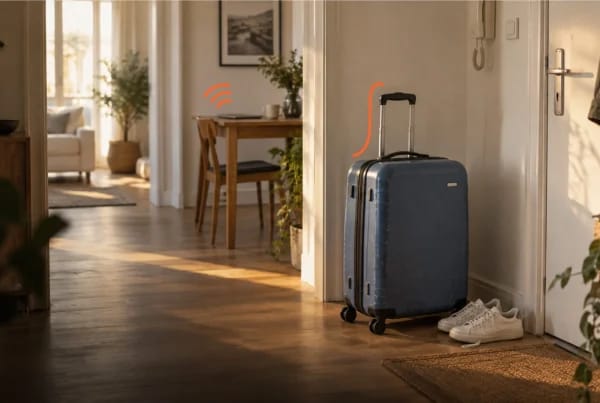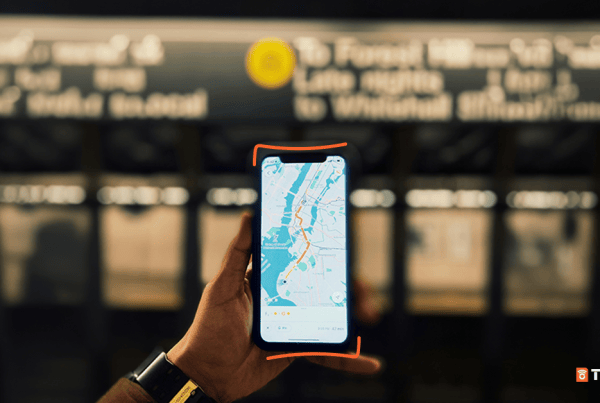




Traveling in summer means vacations, but it also means crowded airports, endless lines and delayed flights. Every year, millions of people choose the same days to start their vacations, turning any airport into a real test of patience.
Checking in your luggage, going through security, looking for a gate that has just changed or discovering that the Wi-Fi isn’t working precisely when you need to download your boarding pass. These situations are far more common than you might think.
In this guide, you’ll find practical tips to avoid the most common mistakes, save time, stay connected and make your airport experience much more comfortable, even during peak season.
Because your journey begins long before you board the plane. In fact, many of the problems that arise while traveling can be avoided with proper preparation. If you haven’t already, we recommend taking a look at our guide on how to prepare your phone before traveling abroad, where you’ll find everything you should check before you fly.
Why are airports so chaotic in summer?
If you’ve ever felt that airports are busier than usual in summer, it’s not just your imagination. July and August see the highest volume of travel of the year, coinciding with the school vacations and the peak tourist season.
This has a knock-on effect on virtually every stage of the journey:
- More passengers checking in luggage.
- Longer lines at security checkpoints.
- Higher likelihood of delays and gate changes.
- Busier food courts and waiting areas.
- Increased demand for taxis, public transportation and mobility services upon arrival.
Although airlines and airports increase staffing during peak season, the sheer volume of travelers leads to longer waiting times, and even a minor disruption can cause knock-on delays.
You can’t stop the airport from being crowded, but you can arrive prepared. With a few simple habits, you can save time, reduce stress and start your vacation feeling much more relaxed.
1. Arrive earlier than usual
In summer, airports experience their highest passenger volumes of the year. This means longer lines for checking in luggage, slower security checks and much busier terminals. What might take 15 minutes at another time of year can easily turn into a wait of an hour or more during peak season.
That’s why, if you’re traveling in July or August, it’s best to allow plenty of time and arrive a little earlier than usual.
| Flight type | Recommended arrival time |
|---|---|
| ✈️ Domestic | 2 hours before departure |
| 🌍 European | 2.5 hours before departure |
| 🌎 Intercontinental | 3 hours before departure |
An extra tip: if you need to check in luggage, are traveling with children or departing from a particularly busy airport such as Madrid-Barajas, Barcelona-El Prat or Palma de Mallorca in the height of summer, it’s worth adding an extra 30 minutes to these recommendations.
Arriving early doesn’t mean spending more time bored at the terminal. It means being able to go through security calmly, find your boarding gate without rushing, grab something to eat or drink before your flight and start your vacation with less stress.
Because, let’s be honest: running through the airport while hearing “final call for boarding” is only fun in the movies.
2. Check your flight status before leaving home
One of the most common mistakes when traveling in summer is assuming your flight will depart exactly as scheduled.
During peak season, delays, boarding gate changes and even terminal changes are more common, especially at airports with high passenger traffic.
Taking just one minute to check your flight status before leaving home can save you more than one headache.
Before you set off, check:
- Whether your flight is departing on schedule.
- Whether the airline has announced any delays.
- Whether the boarding gate or terminal has changed.
- Whether the assigned check-in desk is still the same (if you’re checking in luggage).
The easiest way to do this is through your airline’s app or by checking the website of your departure airport. Many airlines will also send you automatic notifications if you enable alerts in their app.
It may seem like a minor detail, but checking this information before you leave will help you manage your time better, avoid unnecessary waiting and arrive at the airport feeling much more relaxed. Because in summer, when delays are more common, staying informed is also part of traveling better.
3. Your phone will be your travel companion
Everything you do on your phone at the airport
| You use it to… | Do you need an internet connection? |
|---|---|
| Boarding pass | ✅ |
| Google Maps | ✅ |
| Uber/Cabify | ✅ |
| Use a translator | ✅ |
| ✅ | |
| Find your boarding gate | Sometimes |
| Let people know you’ve arrived | ✅ |
That’s why many travelers prefer to activate their eSIM before their flight. This way, when they land, their phone connects automatically, allowing them to book a ride, check a map or let someone know they’ve arrived without relying on the airport Wi-Fi.
4. Don’t rely on airport Wi-Fi
One of the most common travel mistakes is thinking: “I’ll just connect to the airport Wi-Fi when I arrive.”
The reality is that, especially in summer, airport Wi-Fi networks are often overloaded. With thousands of passengers connected at the same time, the connection can be slow, unstable or even unavailable just when you need it most.
Usually, that’s exactly when you need to:
- Find out how to get to your hotel.
- Book an Uber, Bolt or taxi.
- Let your family know you’ve landed.
- Check a booking or an important email.
- Download the boarding pass for your next flight if you have a stopover.
Not all public Wi-Fi networks are equally secure, either. Connecting to an open network can increase the risk of third parties intercepting your information if you access personal accounts, make payments or enter passwords without taking the necessary precautions.
That’s why more and more travelers choose to have an eSIM installed and activated before takeoff. If you haven’t used one before, here we explain how to install an eSIM step by step so you can have it ready before your trip. This way, when the plane lands and you turn off airplane mode, you’ll be connected from the very first minute, without relying on airport Wi-Fi, looking for a store to buy a physical SIM or paying roaming charges.
Ultimately, having internet access from the very first minute isn’t just a matter of convenience. It also means traveling with greater peace of mind, saving time and avoiding problems when you need it most.
| Public airport Wi-Fi | eSIM activated before your trip |
|---|---|
| It may be overloaded | ✅ Instant connection when you land |
| Variable speeds | ✅ High-speed local mobile network |
| Registration may be required | ✅ No registration or passwords |
| Less privacy on a public network | ✅ A more secure connection through the mobile operator’s network |
| You depend on the airport’s coverage | ✅ Works as soon as the plane lands |
5. Download everything you need before boarding
There’s one mistake almost all of us have made at some point: thinking “I’ll download it when I get there.”
But between overloaded Wi-Fi, an unexpected delay or a flight without internet access, what seemed like a one-minute task can become a problem just when you need that information most.
Taking five minutes before leaving home can save you a lot of stress during your trip:
| What to download | Why is it useful? |
|---|---|
| ✅ Boarding pass | Avoids having to rely on an internet connection to show your ticket. |
| ✅ Google Maps offline | You’ll be able to find your way around even without mobile coverage or Wi-Fi. |
| ✅ Hotel and activity bookings | You’ll have all the information to hand even without internet access. |
| ✅ Train, bus or ferry tickets | Very useful if you’re continuing your journey after the flight. |
| ✅ Offline translator | Perfect for communicating when you arrive in another country. |
| ✅ Playlists, podcasts or films | They’ll make waiting and the flight much more enjoyable. |
| ✅ Important documents | Save a copy of your passport, visa or travel insurance on your phone. |
Not everything depends on having internet access. Having this information ready in advance will allow you to continue your journey as normal, even if your flight is delayed, the airport Wi-Fi isn’t working or you don’t yet have mobile coverage at your destination.
And if you also travel with an eSIM already installed, when you land, you’ll simply need to turn off airplane mode to reconnect and access the rest of your online services without wasting any time.
6. Prepare an airport survival kit
When the airport is crowded, your flight is delayed or you have several hours between connections, a few small essentials can make a big difference.
You don’t need to pack half your house in your backpack, but there are a few essentials that will make your trip much more comfortable:
| What to bring | Why is it worth packing? |
|---|---|
| Power bank | It will keep your phone charged so you can use maps, tickets or bookings throughout your journey. |
| Empty reusable water bottle | You can refill it after security and avoid buying overpriced water. |
| Headphones | Ideal for blocking out noise, listening to music, watching a film or resting during the flight. |
| Light jacket or sweatshirt | Air conditioning in airports and planes is often stronger than you might expect, even in the middle of summer. |
| A snack | Some nuts, an energy bar or a piece of fruit can be a lifesaver if your flight is delayed or the cafés are crowded. |
| Documents within easy reach | Keep your passport, ID card and boarding pass in an easily accessible pocket or compartment to avoid wasting time at security checks. |
Another small detail that helps is keeping all your chargers, adapters and cables together in a single bag in your carry-on bag. When you need to charge your phone or go through security, you’ll be able to find everything much more quickly.
Ultimately, putting this kit together only takes a few minutes, but it can make a long wait much more comfortable and help you avoid many of the small inconveniences that often arise when traveling during peak season.
7. Keep your carry-on bag well organized
There’s nothing more frustrating than reaching security and desperately rummaging through your bag for your passport, liquids or charger while the line keeps moving.
A disorganized backpack doesn’t just waste time. It also increases stress and makes security checks and boarding much more inconvenient. The key is to keep everything in a fixed, easy-to-reach place:
| Item | Where to keep it |
|---|---|
| Passport or ID card | In an outer pocket or easy-access compartment. |
| Boarding pass | Downloaded to your phone and, if possible, also saved in your digital wallet. |
| Liquids | Together in a transparent bag, ready to take out at security. |
| Power bank | In an accessible pocket. Remember that it must travel in your carry-on bag, never in checked baggage. |
| Chargers and cables | In a small pouch or case so you can find them easily. |
| Headphones | In a separate pocket to prevent them from getting tangled with your other accessories. |
A simple trick used by many frequent travelers is to always pack their backpack in the same order. This way, whenever you need to show your passport, take out your laptop or find a charger, you’ll know exactly where it is without having to empty half your bag.
It may seem like a minor detail, but when traveling in summer, with crowded airports and slower security checks, keeping your luggage well organized can save you several minutes and help you avoid unnecessary stress.
8. Don’t leave anything to chance when you land
After a flight, especially if there have been delays or you’ve spent several hours traveling, the last thing you want is to start looking for information from scratch. However, many travelers land without knowing how to get to their hotel, where to exchange money, which transport to use or how to get online. And those first few minutes often set the tone for the rest of the trip.
Before takeoff, take a few minutes to prepare the following:
| Essential | Why is it important? |
|---|---|
| Hotel address | So you can find it quickly even without an internet connection. |
| How to get there from the airport | Check whether the metro, bus, train or taxi is your best option and save the information. |
| A downloaded map of the area | Very useful if you don’t have mobile coverage yet or the airport Wi-Fi isn’t working. |
| Internet access ready to use | So you can book a ride, check routes or let someone know you’ve arrived without wasting time. |
| Important phone numbers or contacts | Save the contact details for your accommodation or transfer company in case anything goes wrong. |
Having everything prepared means that, when you step off the plane, all you’ll need to do is follow your plan. No rushing, searching for a café with Wi-Fi or relying on a public network to look up an address. And if you travel with an eSIM activated before your flight, you’ll be connected automatically as soon as you land and can use Google Maps, book an Uber or contact your accommodation from the very first minute.
Because when you arrive at a new destination, the last thing you want is to start your vacation wondering: “How do I get to the hotel now?”
9. Checklist for stress-free summer travel
If you’ve made it this far, you already know the tips that can make your time at the airport much more relaxed. Now there’s just one final check before leaving home.
| Before leaving… | |
|---|---|
| I’ve checked in online. | ☐ |
| I have my passport or ID card. | ☐ |
| I’ve checked my flight status. | ☐ |
| I’ve downloaded my boarding pass. | ☐ |
| I have a fully charged power bank. | ☐ |
| I’ve downloaded Google Maps for offline use. | ☐ |
| I’ve saved my travel bookings on my phone. | ☐ |
| I’ve prepared my carry-on bag. | ☐ |
| My eSIM is installed and ready to activate when I arrive. | ☐ |
Save this list or check it before every trip. It will only take a minute and could save you a lot of trouble along the way.
The key isn’t avoiding lines, but arriving prepared
Airports will still be crowded in summer, with lines, security checks, delays and thousands of travelers. That’s beyond your control.
What you can control is how you start your journey.
With your luggage organized, your phone charged, your documents ready and internet access from the moment you land, everything becomes much easier. From finding your hotel to booking a ride or letting your family know you’ve arrived safely.
If you’re traveling abroad, it’s worth taking care of that final detail before takeoff too. Having an eSIM installed means you’ll have internet access from the moment you land, without relying on airport Wi-Fi or searching for a store to buy a SIM card.
At TurTrip, you’ll find eSIMs for more than 200 destinations, with the data you actually need for your trip. That way, when your plane touches down, all you’ll need to do is turn off airplane mode… and start enjoying your trip.
Because your vacation doesn’t start when you reach the hotel. It starts the moment you leave home. ✈️🌍
Looking for inspiration for your next trip?
Now you know how to survive the airport. All that’s left is to choose your destination.
Discover the destinations worth visitingSources consulted for this review: Aena: carry-on baggage and security checks; INCIBE: internet connections and their risks; Google Maps Help: offline maps. Suggested arrival times are a general guide; check your airport’s and airline’s instructions before you travel.